
Clinical first
Hospital partnerships and clinical observation pathways connect lectures to real patient-care environments.
Campus life · Facilities
ZARMED University is built so medical learning never stays only on slides. From smart classrooms to anatomy labs, research spaces, and hospital-linked clinical exposure, facilities are designed for English-medium MBBS students who need both strong theory and real bedside readiness.
Academic infrastructure
Hospital · classrooms · anatomy · labs · research · student readiness
Why it matters
Hospital partnerships and clinical observation pathways connect lectures to real patient-care environments.
Hi-tech classrooms and digital anatomy tools help students visualise complex medical concepts clearly in English.
Laboratories and research-ready spaces support practical skills, collaboration, and scientific curiosity.
Facilities underpin ZAAP pathways — Apollo-trained academics, licensing-exam coaching culture, and campus support.
Clinical training
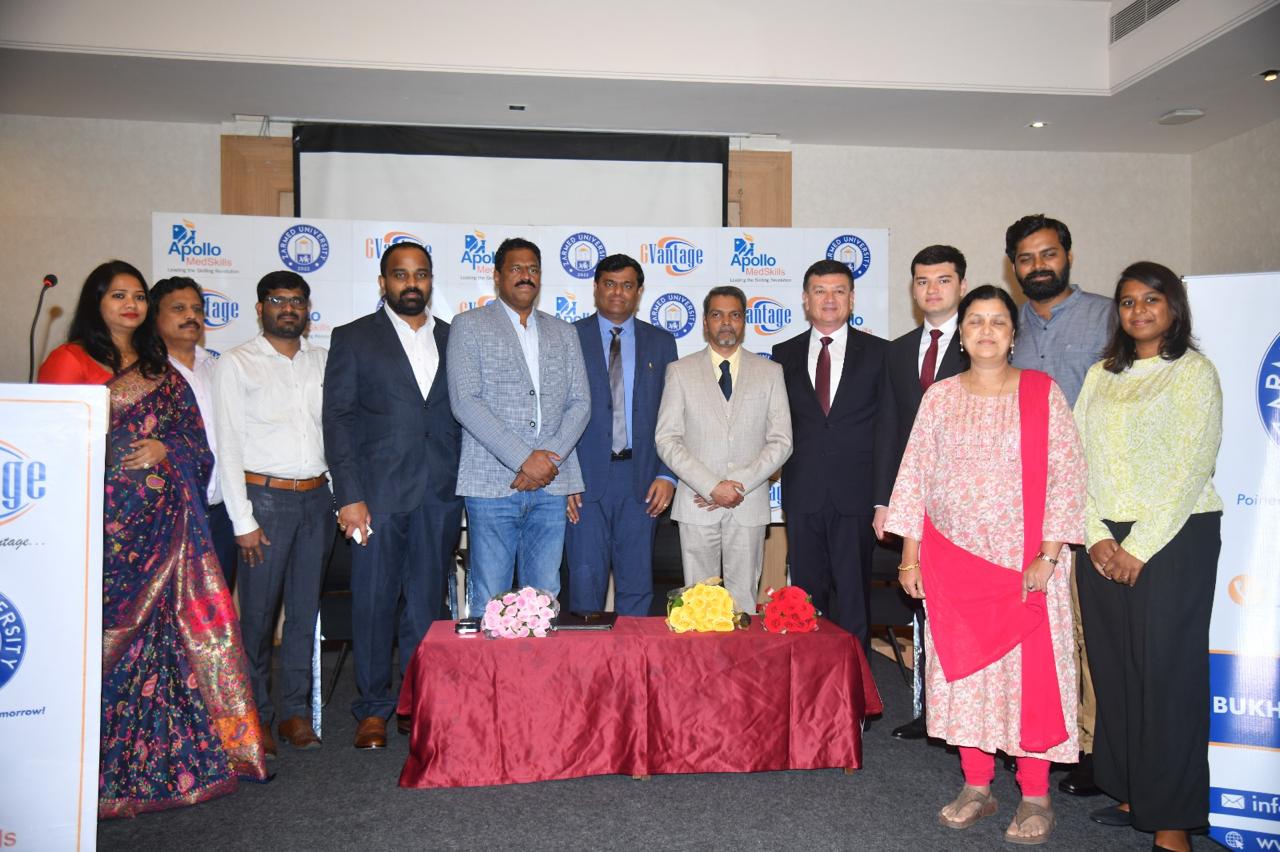
Where classroom meets clinic — ZARMED’s clinical environment is a core reason Indian students choose the university.
Students learn in a system distinguished by university hospital linkages and partnerships with multiple government hospitals. That means early exposure to clinical settings, case discussions, and the professional culture of hospital work — not only textbook medicine.
Under the ZAAP corridor, academic partnership with Apollo MedSkills strengthens teaching quality and opens pathways such as clinical observership opportunities with Apollo, alongside FMGE / NExT oriented coaching culture from early years.
Teaching spaces
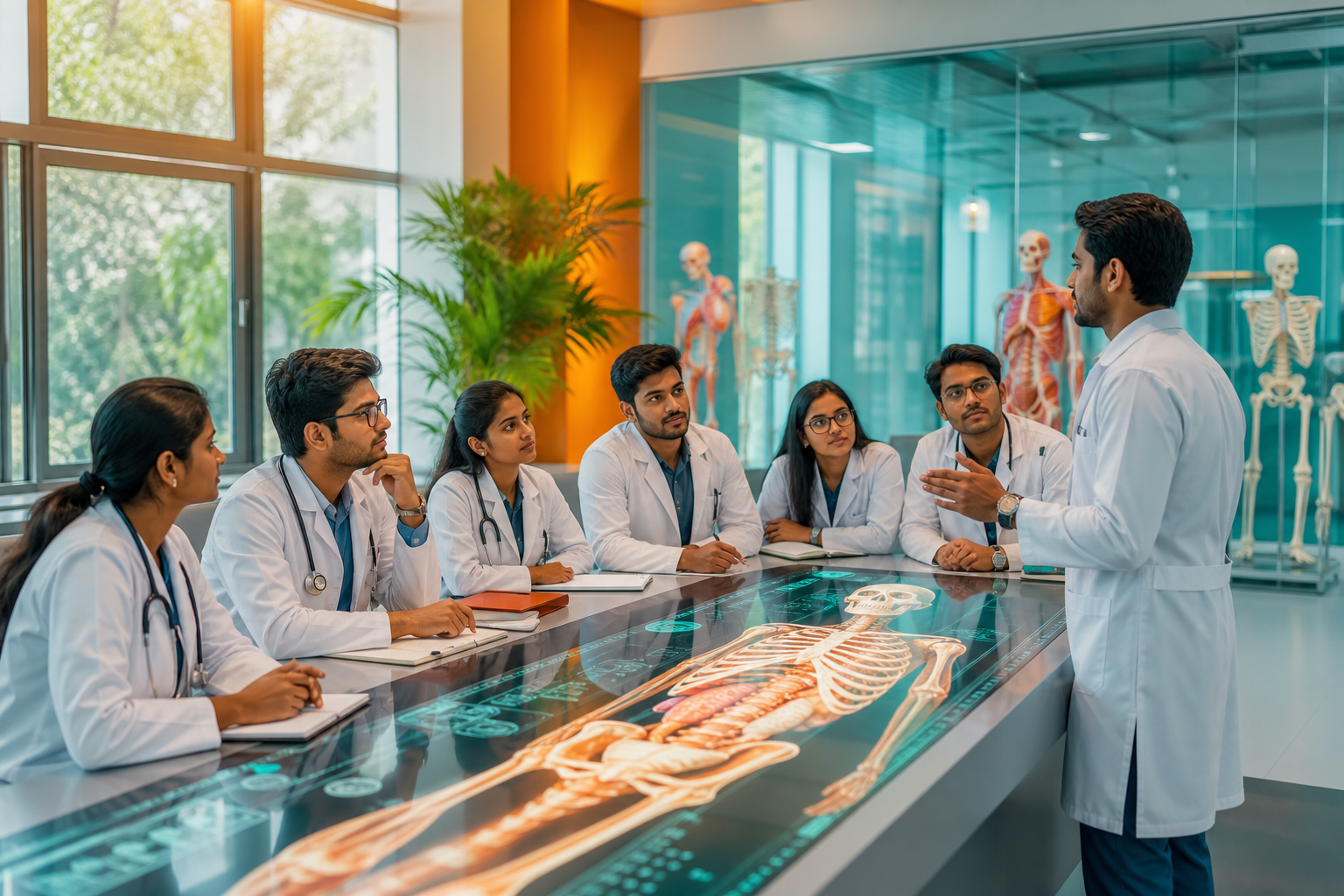
Modern classrooms are built for clear English-medium instruction, tutorials, and interactive medical teaching.
ZARMED invests in state-of-the-art teaching infrastructure so large lectures and smaller tutorials remain engaging. Digital display support, structured seating, and campus academic blocks help students stay focused through long medical study days.
On the Samarkand side of the network, academic infrastructure is organised across modern campus blocks with extensive classroom capacity, lecture halls, and conference facilities — supporting both daily teaching and larger academic events such as olympiads and conferences.
Foundational sciences
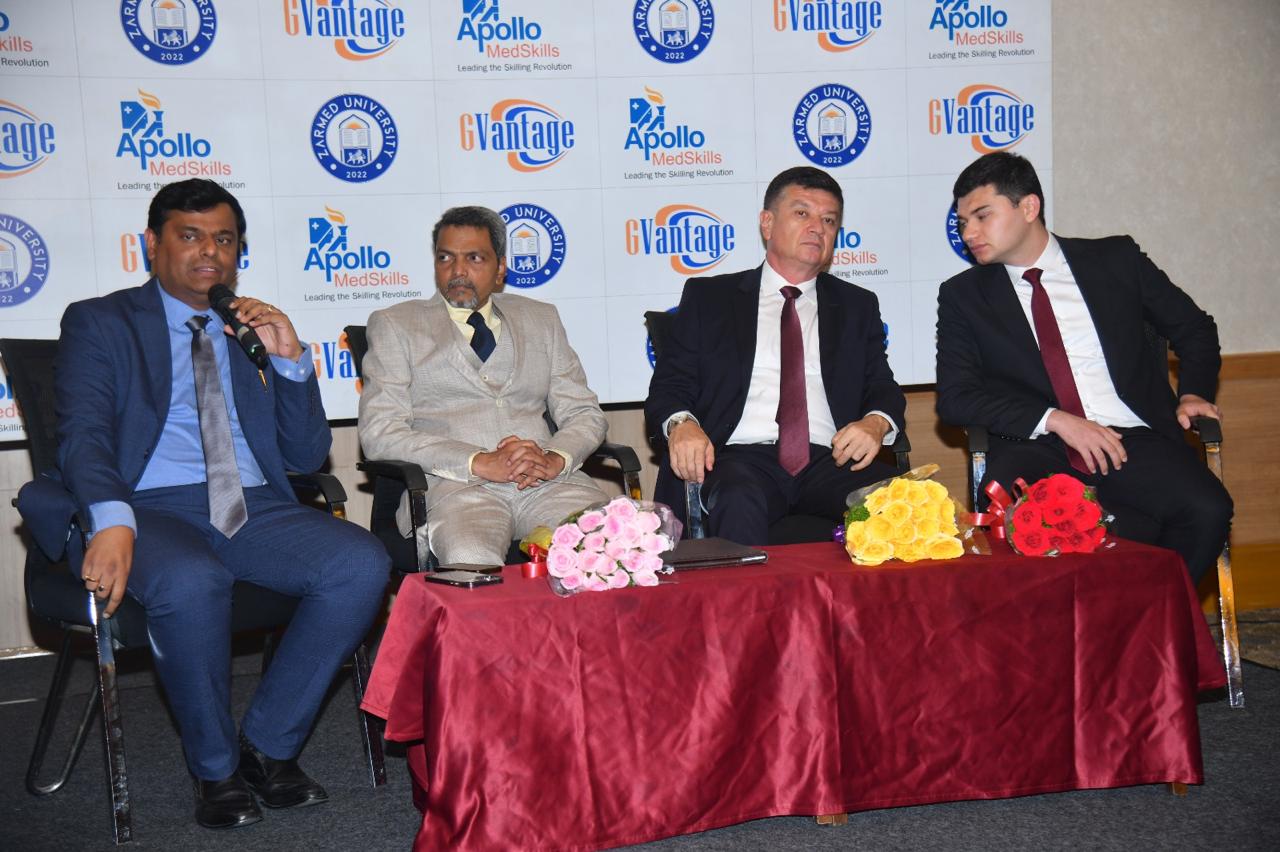
Anatomy is taught as a living foundation of medicine — combining traditional lab discipline with digital dissection pathways.
Understanding the human body is non-negotiable for future doctors. ZARMED highlights anatomy learning through dedicated lab exposure and digital dissection methods that help students explore structures layer by layer with clarity.
This blend of physical and digital learning is especially valuable for international students studying medicine fully in English — concepts become visual, repeatable, and easier to revise before clinical years.

Practical sciences
Laboratories turn theory into skill — chemistry, physiology, pathology foundations, and collaborative practical work.
ZARMED’s laboratory ecosystem supports the hands-on side of MBBS: observation, measurement, reporting, and scientific method. Students learn to connect lab findings with clinical reasoning — a habit that matters for both university exams and licensing pathways.
Lab complexes and simulation-oriented facilities (especially across the Samarkand academic and clinical hub) help students practise safely before higher-stakes clinical responsibility.
Innovation mindset
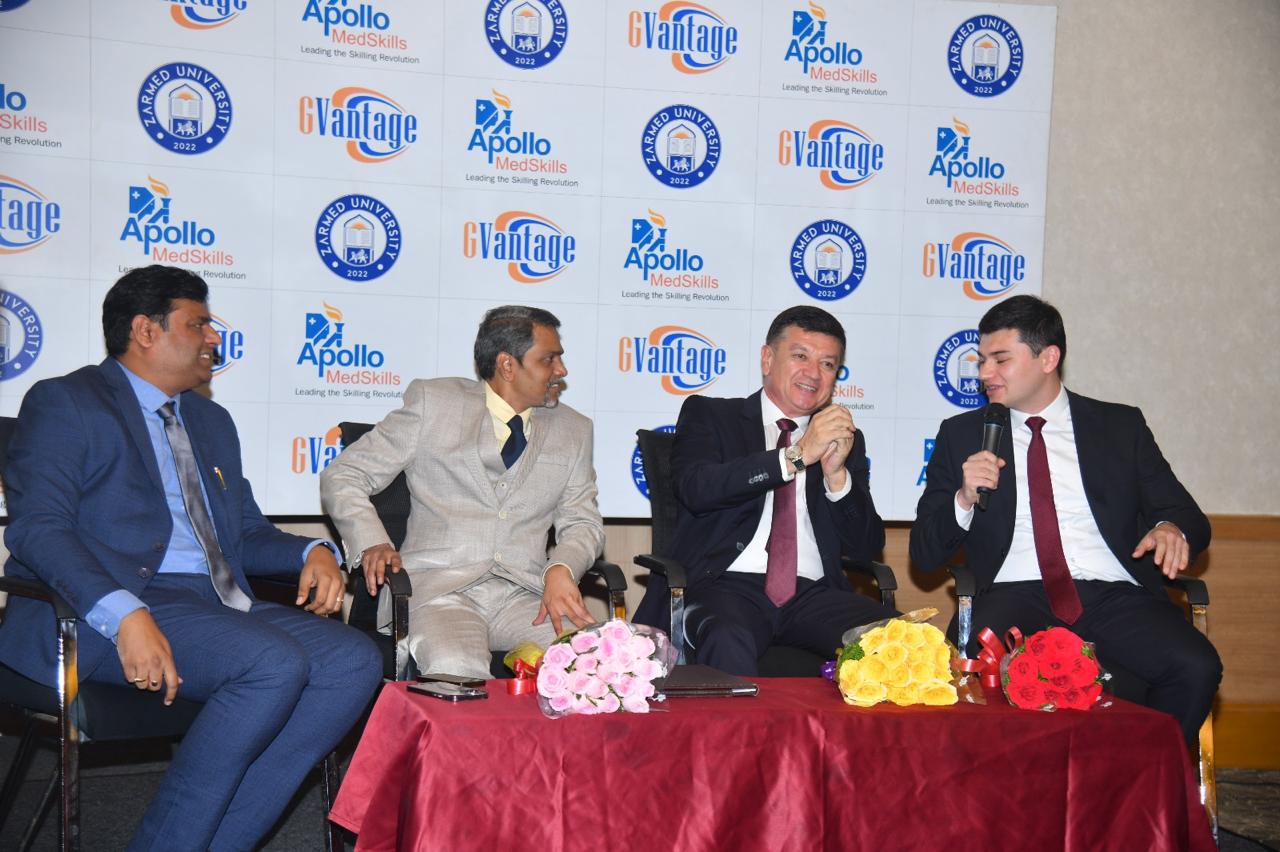
Research-ready facilities and academic events encourage curiosity beyond the syllabus.
ZARMED promotes scientific potential through research orientation, academic conferences, and student olympiads. Facilities are not only for routine classes — they host international conferences, student forums, and science competitions that sharpen presentation and critical thinking.
For ambitious Indian students, this culture matters: medicine is lifelong learning, and early exposure to academic events builds confidence for postgraduate pathways.
A typical day
Morning
English-medium classes in hi-tech classrooms, followed by small-group clarification sessions.
Midday
Hands-on laboratory work or digital anatomy sessions that lock in the morning theory.
Afternoon
Hospital-linked learning, case discussions, or simulation practice depending on the year of study.
Evening
Hostel study routines, peer groups, and campus events — with Indian meals supporting daily energy.
Living support runs alongside academics — see hostels and Indian food plans.
Facilities span ZARMED’s dual-campus network. Explore location-specific student life and films for Bukhara and Samarkand.
Watch
Admissions portal
Discover ZARMED on this site. When you are ready, continue free registration on admissions.zarmeduniversity.com — the process is fully guided there.